
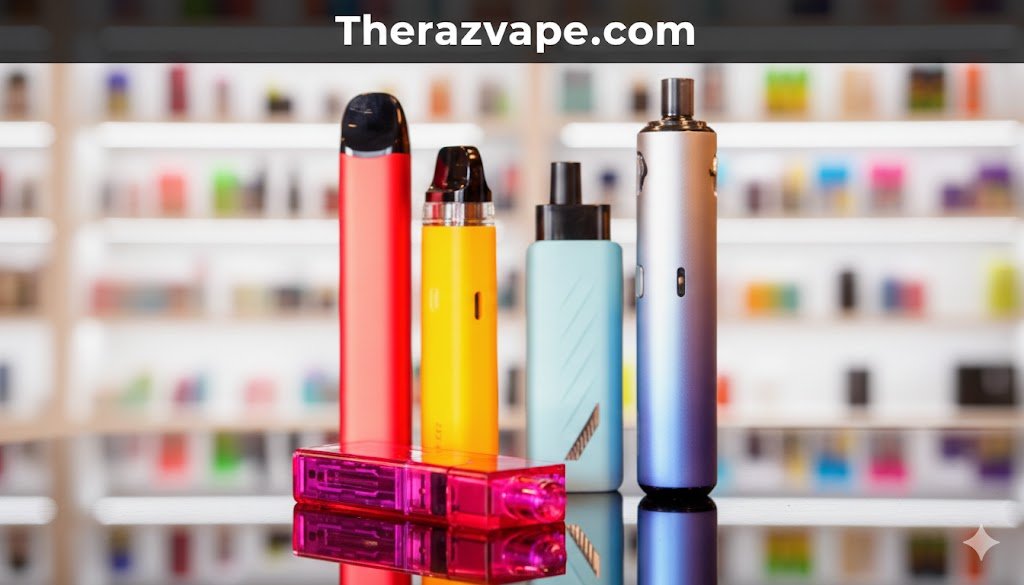
In 2026, multiple U.S. states are banning vapes, particularly targeting flavored and disposable products to curb teen vaping and nicotine addiction. These bans differ by state, with some enforcing complete prohibitions and others limiting specific flavors or devices. Consumers need to stay informed about local laws, as violations can lead to fines, confiscation of products, or other legal consequences. Retailers are required to update inventories and educate staff about compliance. These bans aim to reduce vaping rates, protect public health, and encourage safer alternatives while limiting youth exposure to addictive nicotine products.
States banning vapes in 2026 are implementing stricter regulations to tackle rising teen vaping and related health risks. Flavored and disposable vapes are the main focus, with several states introducing complete or partial bans to limit access. These laws affect both consumers and retailers, creating the need for compliance and awareness of local regulations. This article provides a comprehensive overview of which states are enforcing vape restrictions, the reasons behind these bans, and their implications. Readers will gain clear insights into 2026 vape laws, how to stay compliant, and the overall impact on public health.
States Banning Vapes in 2026 – What You Need to Know
Vaping regulations are rapidly evolving across the United States in 2026. Many states are banning flavored and disposable vapes to combat teen addiction and health risks. These bans affect consumers, retailers, and online sellers, with strict penalties for violations. Knowing which states have active restrictions helps individuals and businesses stay compliant. Laws vary significantly, so understanding local regulations is crucial. These bans also encourage safer alternatives and raise awareness about nicotine addiction, providing long-term public health benefits. Staying informed ensures legal compliance and responsible vaping practices across different states.
Why Are States Cracking Down on Vapes in 2026?
States are enforcing vape bans in 2026 due to increasing teen usage, nicotine addiction risks, and associated health concerns. Flavored vapes attract younger audiences, making it easier for teens to start vaping and develop long-term dependencies. Health studies have linked vaping to respiratory issues, lung damage, and other complications. Lawmakers aim to protect youth while reducing healthcare burdens, as well as limiting the marketing of addictive products. Public health campaigns and state-level legislation work together to reduce teen access and encourage safer alternatives. Compliance with these laws is essential for both consumers and retailers to avoid legal penalties.
Complete List of States Banning Vapes in 2026
Several U.S. states have enacted vape bans in 2026, particularly targeting flavored and disposable products. California has banned all flavored and disposable vapes statewide. New York prohibits flavored vapes entirely. Massachusetts restricts nicotine vapes in retail stores, while Oregon bans disposable vapes and limits certain flavors. New Jersey enforces strict sales and marketing regulations to prevent teen access. Penalties vary across states, including fines, product confiscation, or license suspension. Consumers and retailers must stay updated on local laws to avoid violations. Understanding state-specific restrictions is crucial for safe and legal vape use.
Flavored Vape Restrictions: Which States Are Leading the Ban?
Flavored vapes are the primary focus of 2026 state bans because of their appeal to teenagers. States like New York and Massachusetts have prohibited popular flavors such as mango, mint, and candy. Retailers are required to remove banned flavors from shelves immediately, and online sales are monitored to prevent distribution across state lines. Some states allow limited exemptions for adults or medicinal use, but strict compliance is necessary. These regulations aim to reduce teen vaping rates and protect public health. Understanding flavor restrictions helps consumers and businesses avoid penalties while supporting safer vaping practices.
Disposable Vapes: States That Have Banned Them in 2026
Disposable vapes are increasingly restricted due to high youth usage and environmental concerns. California and Oregon have banned all disposable vape products, while other states may limit specific brands or flavors rather than implementing a complete ban. These restrictions impact both in-store and online sales, requiring retailers to adjust inventories and ensure compliance. Consumers face limited availability of disposable devices and may need to explore alternative products. Staying informed about which states enforce these bans is critical to avoid legal consequences and maintain responsible vaping habits. Compliance supports public health goals and safer vaping practices.
Impact on Vape Users: How State Bans Affect Consumers
State bans in 2026 affect vape users by reducing the availability of flavored and disposable products. Consumers may face legal risks if they possess prohibited items in restricted states. Travel across state lines requires careful awareness of local regulations. Some vapers may quit or switch to nicotine alternatives, while others risk purchasing unregulated products from the black market. These changes aim to decrease teen usage and nicotine addiction but can also affect adult consumers. Understanding state-specific restrictions is essential for staying compliant and making informed choices while maintaining safe vaping habits.
Also read this: New York Mint Raz Flavor Review: Top Taste Experience
Vape Business Owners: Preparing for 2026 State Restrictions
Retailers must adapt to 2026 vape bans by removing restricted products, updating online listings, and training staff on compliance. Failure to follow laws can lead to fines, license suspension, or legal action. Businesses should focus on approved products and explore alternative offerings, such as nicotine-free devices. Awareness of state-specific laws ensures operations remain legal and minimizes public health risks. Preparing in advance for future changes in vape legislation also allows retailers to adjust strategies efficiently, protecting both revenue and customer safety while supporting compliance with new health-focused regulations.
Legal Penalties for Selling or Using Vapes in 2026
Penalties for violating vape bans vary by state but generally include fines ranging from $500–$5,000, confiscation of products, or temporary closure of retail stores. Repeat violations may result in more severe legal consequences, including criminal charges. Possession of banned products by consumers can also carry penalties in some states. Retailers and users must carefully follow local laws and regulations to avoid fines or prosecution. Compliance ensures legal protection, public safety, and adherence to state health initiatives. Understanding potential consequences encourages responsible behavior and helps reduce teen exposure to nicotine products.
Comparison: States With Full Bans vs Partial Vape Restrictions
Some states enforce full bans, completely prohibiting flavored and disposable vapes, such as California and Massachusetts. Others implement partial restrictions, limiting certain flavors, devices, or age-specific sales, like Oregon and New Jersey. Knowing which states are stricter helps consumers plan purchases and travel safely while avoiding violations. Partial bans may allow some alternatives, whereas full bans require complete compliance. This comparison clarifies state regulations, reduces legal risk, and helps both consumers and businesses make informed decisions about product availability and sales practices.
How the 2026 Vape Bans Compare to Previous Years
Compared to previous years, 2026 vape bans are broader and more strictly enforced. Earlier laws primarily targeted flavored vapes, but now disposable devices and certain nicotine products are also restricted. Enforcement is stricter, with heavier penalties for violations. Public health authorities are focusing on teen vaping prevention and long-term addiction reduction. Awareness campaigns, state regulations, and retailer compliance programs work together to ensure safer environments. Staying updated on regulatory changes is crucial for consumers and businesses alike, as enforcement in 2026 is more robust than ever before.
Exemptions and Exceptions in State Vape Laws
Some states allow exemptions for medicinal vaping devices or very low-nicotine products. These exceptions may depend on age, medical prescriptions, or retailer licensing. Knowing exemptions helps users and businesses legally navigate restrictions while accessing necessary products. Retailers must carefully check local regulations to qualify for exemptions and avoid legal consequences. Understanding exceptions ensures compliance while supporting public health goals. Consumers can continue legal usage within permitted limits, and businesses can maintain certain sales without violating state laws, providing flexibility in regulated environments.
Public Opinion: Are People Supporting Vape Bans in 2026?
Public support for vape bans is generally strong among parents and health advocates, particularly due to teen protection. Some adult vapers and business owners oppose bans, citing personal choice and economic impact. Polls show higher approval rates in states with effective education campaigns and public health messaging. Overall, vape bans are seen as necessary to protect youth while balancing adult rights. Understanding public opinion helps shape compliance strategies, public awareness campaigns, and long-term legislative planning for safer communities.
Tips for Staying Compliant With State Vape Laws
- Stay updated on local and state-specific vape regulations.
- Remove banned products from shelves immediately.
- Train staff to ensure compliance and educate customers.
- Avoid sales to underage consumers.
- Monitor online sales and marketing practices.
- Keep detailed records of inventory and compliance measures.
- Regularly review new laws to adjust operations proactively.
Following these steps reduces legal risk, protects consumers, and ensures public health safety while maintaining responsible business practices.
Future Predictions: Will More States Ban Vapes After 2026?
Experts predict more states may implement stricter vape bans in the coming years, especially on flavored and disposable devices. Federal guidance and public health campaigns may encourage nationwide restrictions. Vapers, retailers, and consumers should anticipate additional regulations and adjust habits and operations accordingly. Staying informed, planning ahead, and complying with evolving laws ensures safer vaping practices and legal protection while supporting public health initiatives across the country.
Conclusion & Call-to-Action
States banning vapes in 2026 reflect a nationwide effort to protect youth and public health. Consumers and retailers must understand which states enforce restrictions, the types of vapes banned, and potential legal penalties. Staying informed ensures compliance, safety, and responsible vaping practices.
Call-to-Action: Share this guide and regularly check your state’s vape regulations to stay updated and compliant with 2026 laws.
FAQs
Q1: Which states have completely banned vapes in 2026?
A1: California and Massachusetts enforce full bans on flavored and disposable vapes.
Q2: Are any exemptions allowed for medical purposes?
A2: Yes, some states allow medicinal vaping devices or very low-nicotine products.
Q3: What penalties exist for breaking vape laws?
A3: Penalties include fines, product confiscation, and possible store license suspension.
Q4: Do bans apply to online sales?
A4: Yes, online sales of restricted products to banned states are prohibited.
Q5: Are flavored vapes banned nationwide?
A5: No, bans vary by state, with only some prohibiting flavors entirely.
Q6: How do bans affect teen vaping rates?
A6: Early data suggests bans reduce teen access and overall usage.
Q7: Will more states ban vapes in the future?
A7: Likely, as public health concerns grow and legislation evolves.
Fore more info: Therazvape.com
