
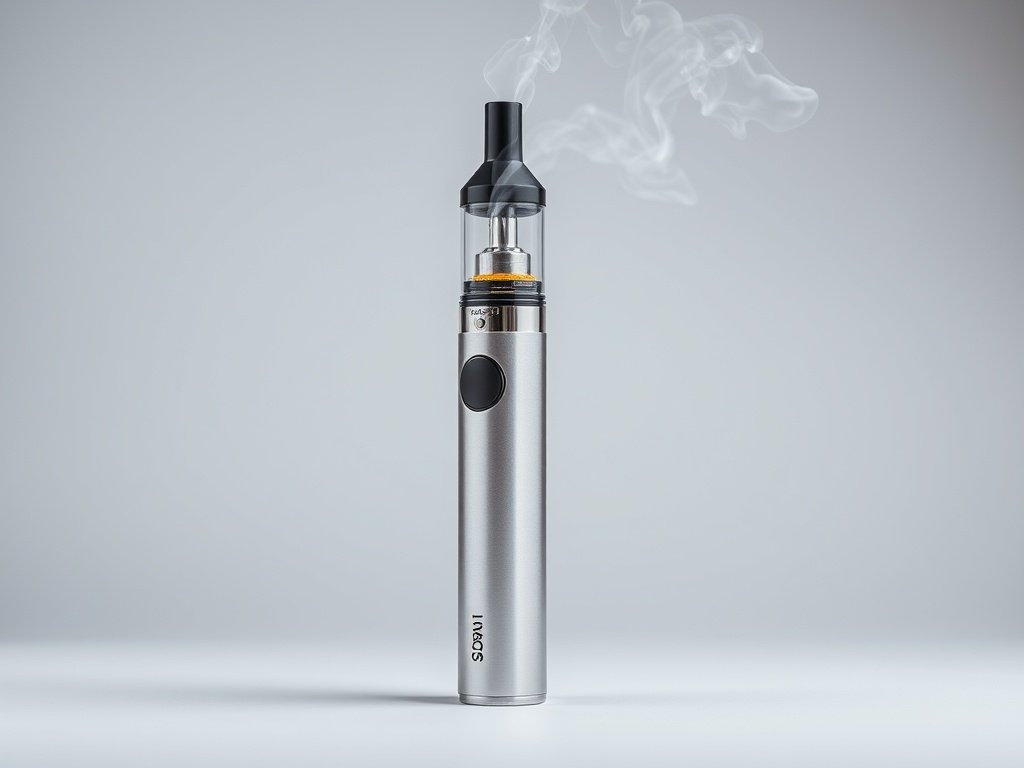
In 2025, several U.S. states are implementing strict restrictions or bans on vaping products, including e-cigarettes and flavored vapes. These bans aim to curb youth vaping, protect public health, and regulate nicotine consumption. States like New York, California, and Massachusetts are leading with comprehensive restrictions. Consumers and investors should stay informed about local laws to comply and adjust purchasing or business decisions accordingly.
Vape Ban 2025 marks a significant shift in the U.S. approach to e-cigarette regulation. Several states are banning or restricting vaping products to reduce youth usage and address health concerns. This article provides a state-by-state overview, explaining why bans are being implemented, who is affected, and how these changes impact consumers, retailers, and the vaping industry. We also discuss health implications, compliance strategies, and alternative options for vapers. With practical insights and clear guidance, this guide equips readers with the knowledge to navigate the changing regulatory landscape effectively, ensuring compliance while understanding broader public health motivations behind these new restrictions.
What Is the Vape Ban 2025?
Vape Ban 2025 refers to the set of laws and regulations rolling out in multiple states to restrict or prohibit the sale of vaping products. The focus is primarily on flavored e-cigarettes, high-nicotine devices, and products appealing to teenagers. Lawmakers cite rising youth usage and health concerns as key motivators. The ban affects retailers, distributors, and consumers, with penalties for non-compliance. Understanding the scope and timeline of the ban helps individuals and businesses prepare for upcoming changes in the vaping market, ensuring both legal compliance and public safety.
States Leading the Vape Ban 2025 Movement
Several states are actively implementing strict vape regulations in 2025. For example, New York and California are enforcing flavored vape bans and sales restrictions. Massachusetts has banned sales to under-21 individuals, with severe penalties for illegal distribution. These states are setting an example for other regions considering similar measures. Retailers need to adjust inventory, while consumers must stay informed about local regulations. Monitoring these state-led initiatives helps predict future nationwide policies and understand the broader impact on vaping trends across the U.S.
Health Concerns Driving the Ban
The surge in youth vaping has sparked public health concerns, prompting the Vape Ban 2025. Studies link e-cigarette use to respiratory issues, nicotine addiction, and potential long-term health risks. Policymakers aim to reduce teen exposure to flavored products that mask nicotine’s harshness. Public health campaigns emphasize awareness, prevention, and education. By understanding the medical research behind these bans, individuals can make informed choices while recognizing the rationale for stricter controls in certain states, highlighting the intersection of regulation and health safety.
Economic Impacts on Retailers and Manufacturers
The Vape Ban 2025 will significantly impact the vaping industry. Retailers face inventory losses and potential fines if banned products are sold. Manufacturers may experience decreased demand for flavored or high-nicotine devices. Businesses are adjusting marketing strategies, exploring alternative product lines, and considering relocation to states with fewer restrictions. For investors, this shift signals changing market dynamics and potential opportunities in compliant products. Understanding economic implications ensures that stakeholders remain adaptable and compliant while mitigating revenue losses in the evolving regulatory environment.
Consumer Awareness and Compliance
Consumers must stay informed about local laws to avoid penalties under the Vape Ban 2025. Awareness of banned products, age restrictions, and sales limits is crucial. Vape shops often post updated compliance notices, and online platforms may block sales in restricted states. Being proactive in monitoring these regulations ensures responsible consumption and prevents inadvertent legal violations. Educated consumers also contribute to public health goals by reducing underage vaping. Compliance efforts are increasingly tied to responsible usage and staying aligned with shifting legal frameworks across multiple jurisdictions.
Alternatives for Vapers
For individuals affected by vape bans, alternative nicotine delivery systems or cessation tools are viable options. Nicotine patches, gums, and regulated devices provide legal, safer alternatives for adult users. Some states encourage transitioning to less harmful products as part of public health campaigns. Educating vapers on these options minimizes illegal sales and promotes health-conscious choices. By exploring alternatives, users can maintain nicotine management while adhering to the new regulatory environment, balancing personal habits with compliance requirements under Vape Ban 2025.
Timeline of Implementation
The Vape Ban 2025 rollout varies by state, with phased enforcement for different product types. Some regions enforce immediate restrictions on flavored vapes, while others introduce gradual age-based sales prohibitions. Businesses should consult state health departments for exact timelines. Understanding implementation phases helps retailers adjust inventory and marketing strategies. For consumers, knowing when laws take effect is critical to avoid violations. Timely awareness ensures smoother adaptation to the new rules and mitigates risk in both personal use and business operations.
Legal Consequences of Non-Compliance
Violating Vape Ban 2025 can lead to fines, license revocation, or even criminal charges in extreme cases. Retailers caught selling banned products face legal action, and repeat violations escalate penalties. Individuals purchasing banned items could also face penalties in some jurisdictions. Legal consequences emphasize the importance of staying informed and vigilant. Awareness campaigns aim to educate all stakeholders about potential risks, helping to ensure compliance while promoting responsible behavior in the rapidly evolving vaping landscape.
Also read this: Raz Vicky Flavor: Ultimate Guide to Taste, Trends, and Popularity
Public Opinion and Controversies
The Vape Ban 2025 has sparked debate among consumers, industry advocates, and health organizations. Some argue bans infringe on adult choice and economic freedom, while public health experts cite youth protection as essential. Balancing safety and personal freedom remains a key controversy. Monitoring public opinion helps policymakers adjust strategies and consider stakeholder feedback. Engaging in discussions promotes awareness of the broader context, ensuring a fair understanding of both benefits and challenges associated with the vape bans.
Tips for Retailers to Adapt
Retailers must pivot business strategies to survive under Vape Ban 2025. Updating inventory to exclude banned products, training staff on compliance, and focusing on legal alternatives is critical. Online sales platforms should restrict shipping to regulated states. Partnering with suppliers offering compliant products ensures continuity. By proactively adapting, businesses minimize legal exposure while maintaining revenue. These strategies not only comply with the law but also build consumer trust in responsible retail practices.
Impact on Teen Vaping Rates
Early evidence suggests stricter regulations reduce teen access to vaping products. Vape Ban 2025 targets flavored devices most appealing to minors. Schools and public awareness campaigns complement legal measures, helping curb underage use. Tracking teen vaping trends post-ban will guide future policy development. Successful enforcement relies on both legal restrictions and community education, combining regulation with behavioral insights to achieve measurable reductions in youth vaping rates.
National Implications and Future Trends
States leading the Vape Ban 2025 may influence federal policies. Early adoption offers data on health outcomes, enforcement challenges, and economic effects. Policymakers may expand restrictions nationwide if results show success. Understanding trends helps businesses and consumers anticipate changes. National implications highlight the growing importance of proactive compliance and strategic planning in response to evolving vaping regulations.
Health and Safety Benefits
Vape Ban 2025 aims to reduce nicotine addiction and prevent long-term health risks. Public health studies show that reduced availability of flavored products lowers youth initiation. Adults are encouraged to use regulated alternatives or cessation programs. The combined effect promotes healthier communities while supporting informed consumer choices. These benefits underscore the rationale for the ban and provide guidance for safe, responsible vaping practices.
Monitoring and Adapting to Changes
Continuous monitoring of state policies is essential. Laws may evolve, with new amendments or additional restrictions introduced. Retailers and consumers should subscribe to official updates and engage with industry news. Staying proactive ensures compliance and allows timely adaptation to regulatory shifts, reducing risk and maintaining legal operation under the Vape Ban 2025 framework.
Conclusion
Vape Ban 2025 marks a pivotal shift in vaping regulation across the U.S., driven by public health concerns and youth protection. Staying informed about state-specific rules, complying with restrictions, and exploring legal alternatives ensures safe, responsible vaping practices. Retailers, consumers, and investors must adapt proactively to avoid penalties and leverage opportunities in the changing market. Understanding health impacts, legal obligations, and future trends allows all stakeholders to navigate the evolving landscape confidently.
FAQs
- What is Vape Ban 2025?
A set of state laws restricting the sale of vaping products, especially flavored e-cigarettes. - Which states are banning vapes in 2025?
New York, California, Massachusetts, and several others have announced restrictions. - Does the ban apply to adults?
Mostly it targets flavored products and youth access; adults may still use regulated devices. - Are fines imposed for violations?
Yes, retailers and sometimes consumers face penalties for non-compliance. - Can I buy vaping alternatives legally?
Yes, nicotine patches, gums, and approved e-cigarettes remain available in most states. - Will Vape Ban 2025 reduce teen vaping?
Evidence suggests stricter laws and education programs help lower youth usage. - How can retailers stay compliant?
Update inventory, train staff, and focus on legal products in restricted states.
For more info: therazvape.com
